The Hidden Costs of Hard Water: Why Your Plumbing System Might Be Costing You More Than You Think
A deep dive into mineral-induced infrastructure degradation and how homeowners can reclaim efficiency.
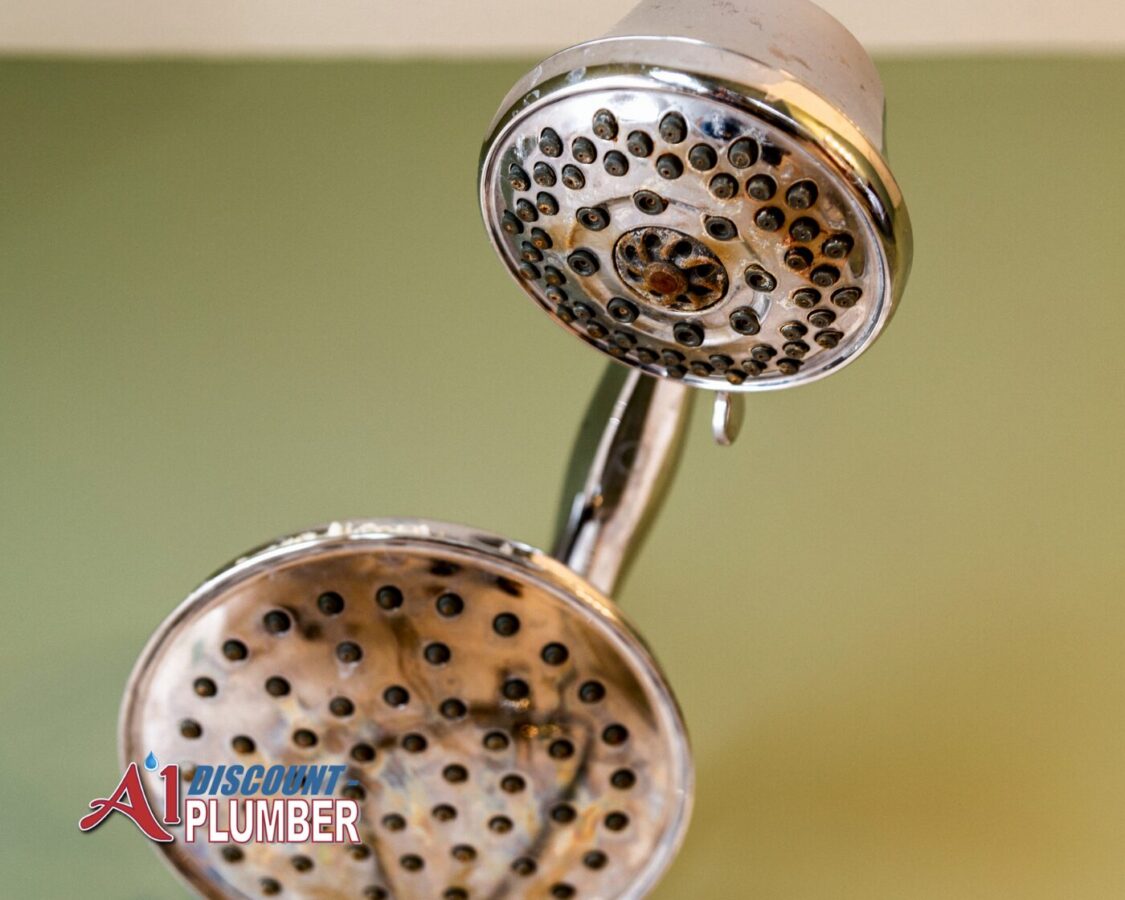
For the average homeowner, the complex network of pipes, valves, and heating units hidden behind walls and beneath floors is a “set it and forget it” system—until a significant failure occurs. Among the various factors that compromise this infrastructure, none is as pervasive or as insidious as hard water. Often dismissed as a minor nuisance manifesting as spotty glassware or slightly dry skin, the reality of high mineral content in your water supply is far more damaging. Hard water, defined by elevated concentrations of dissolved calcium and magnesium ions, operates as a relentless chemical agent, constantly reacting with the internal surfaces of your plumbing and appliances.
At A1 Discount Plumber, we approach water quality through the lens of long-term asset management. We have observed that homes supplied by hard water do not merely face aesthetic challenges; they suffer from accelerated mechanical fatigue. The invisible accumulation of scale is a silent financial drain that compounds over years, quietly inflating your energy bills, drastically reducing the operational lifespan of high-value appliances, and creating the structural conditions necessary for catastrophic leaks. This guide examines the technical mechanisms of hard water damage and provides homeowners with the data-driven insights needed to transition from reactive repairs to proactive system protection.
The Chemistry of Corrosion and Scaling
The core issue is the precipitation of minerals. When hard water is heated or sits stagnant in pipes, calcium carbonate precipitates out of the solution.
- The Scaling Effect: This mineral crust attaches to the internal walls of your pipes. It is not merely a surface coating; it is a cumulative, hardening buildup that reduces the internal diameter (ID) of the pipe. Over a decade, this constriction can reduce water pressure by up to 30%, forcing your system to operate at higher pressures, which taxes your joints and connectors.
- Galvanic Corrosion: In homes with older metallic piping, hard water acts as an electrolyte. This accelerates the electrochemical process of corrosion, often leading to “pinhole” leaks that are difficult to locate and expensive to repair behind drywall.
Impact on HVAC and Plumbing Appliances
At A1 Discount Plumber, our diagnostic reports consistently show that hard water is the leading cause of premature water heater failure.
- Insulation of Heating Elements: Mineral deposits form a dense layer over heating elements in electric water heaters or the base of gas tanks. This layer acts as an insulator, requiring the unit to work significantly harder to transfer heat to the water. This results in energy losses of up to 25% and shortens the expected 10-15 year lifespan of a tank by several years.
- Seal Degradation: Components like diverter valves, solenoid valves in dishwashers, and internal o-rings in high-end faucets are highly sensitive to mineral abrasion. Once these components are compromised, they suffer from “drip failure,” leading to wasted water and potential secondary water damage to cabinetry.
The A1 Standard: Ion-Exchange Solutions
We do not believe in “band-aid” fixes. We install professional-grade water softening systems that utilize an ion-exchange resin bed. As water passes through, the resin beads pull calcium and magnesium ions out, replacing them with sodium or potassium. This prevents the chemical reaction that causes scaling before it ever happens, effectively neutralizing the threat to your home’s mechanical systems.
Are You Ready to Protect Your Home’s Infrastructure?
Don’t let hard water quietly erode your plumbing system and inflate your energy costs. At A1 Discount Plumber, we specialize in identifying water quality issues and providing high-efficiency solutions tailored to your home’s specific needs.
If you’re ready to stop the cycle of scale buildup and reclaim your appliance efficiency, contact us today for a professional water quality consultation. Let’s ensure your plumbing system is built for the long haul.
Frequently Asked Questions
1. Does a water softener change the pH of the water?
Generally, no. A proper system maintains a neutral pH, ensuring that your water is soft but not acidic, which protects your pipes from further corrosion.
2. How often does the resin bed need to be regenerated?
This depends on your household water usage and the grain-per-gallon (GPG) hardness of your local supply. Most systems operate on a metered basis, regenerating only when necessary to save water.
3. Will soft water feel “slimy”?
What many perceive as “sliminess” is the natural oils of your skin finally being able to be rinsed off, rather than being trapped under a layer of mineral soap scum.